

What Skills Help You Respond
Effectively After an Accident
See also: Developing Resilience
If you experience a car accident, your response can significantly impact your future safety, recovery, and legal position.
This is why going learning the most important skills that you will need can help you minimise the impact of the accident and regain your previous life faster.
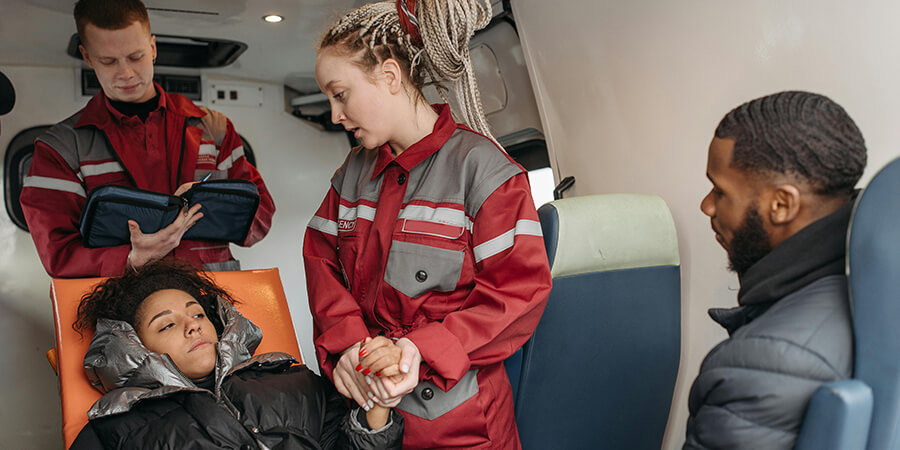
Stay Calm: The Salient Part of Acting Responsively
When you're in a state of panic, your emotions could take full gear and cloud what could have been better judgment.
When you stay calm and fully aware of what just happened, you can take charge of the situation, assess injuries, check on others involved, and determine the best, safest, and most responsive action.
That's why, even if you're already a licensed commercial driver, it's still better if you've had professionally acquired skills in driving to better equip yourself when accidents like these happen (or avoid these situations altogether).
Effective Driver's Comm Skills
When you're involved in an accident, whether on the road or in your work area, confusion and adrenaline rush can cloud or impede your ability to speak clearly and reason effectively. Your most needed tool during these times, however, is your voice.
That's why, whatever happens, make sure to:
Speak Clearly with Emergency Responders
First responders need accurate, concise details. You must clearly describe your condition and what happened. This can speed up help and avoid critical mistakes.
Exchange Details with Other Drivers and Witnesses
Misunderstandings are common after a crash. Use calm, direct language when swapping information to avoid unnecessary tension or conflict.
Communicate Your Needs During Recovery
After the dust and utter confusion settles, you'll need to deal with doctors, insurers, and possibly legal personalities. That's why being able to express your physical pain, emotional state, or financial concerns can greatly help you get the right (and most needed) care and support.
Decision-Making Under Pressure
In the chaos after a crash, every second counts. You won't have time to second-guess yourself - your decisions need to be fast, clear, and right, like:
Assess the Scene Quickly
Is anyone hurt? Are you in danger where you are? You need to scan and respond in real time - safely and calmly.
Know When (and How) to Move
Moving your car off the road might prevent a second collision - but only if it's safe. Understanding traffic laws and accident protocol ahead of time helps you make the right call.
Call for Help Without Delay
Knowing what to say and when to dial 911 - or when to call your attorney - can help make your responders act faster and become more effective.
Also, when the time calls for high-stress decisions, especially those that could affect your lifetime, you don't have to rely on guesswork. You're not just reacting when you're prepared - you're leading and controlling every moment.
Gather and Document Evidence
Collecting accurate information at the scene is vital for insurance claims and potential legal actions. Take photographs of the vehicles, any actual situation on the road, its conditions, and any injuries you or your companions may have.
You also need to obtain contact information from witnesses and note the time and location of the accident. It's not superfluous, this documentation can be quite material in establishing facts and supporting your case when you're pressed for evidence.
Seek Medical Attention ASAP
Even if your crash and injuries look like just scratches and minor injuries, it's always wise to get medical care and evaluation right away. Some bodily injuries, like whiplash or internal trauma and bleeding, may not be that obvious or felt right away.
That's why prompt medical attention can help make sure of your well-being and can also provide concrete official records that can be important for insurance and other legal purposes.
Understand Your Legal Rights
After an accident, what you don't know can cost you. Knowing your rights isn't just smart - it's your first line of defense. Also, you may need to:
Know What You're Entitled To
Whether it's medical bills, lost wages, or pain and suffering, you need to understand what compensation the law allows.
Get Professional Guidance Fast
A skilled attorney can explain your rights clearly, help gather the right evidence, and keep you from missing key deadlines.
Handle Insurance Like a Pro
Insurers aren't on your side - they're in business. A legal expert helps you avoid saying or signing the wrong thing.
Stay In Control of the Process
From filing claims to negotiating settlements, legal support keeps you informed, protected, and prepared.
Most of the time, knowledge and practical skills are your most needed leverage when these things happen. That's why, when you're sure of your legal rights and standing, you're not just picking up the pieces - you're putting yourself in the best position to win your cause.
Navigate Insurance and Compensation Innuendo
It's usually an ordeal (and often toxic) when you deal with insurance after your accident, and it can feel like you're walking through a legal labyrinth. But when you brave them, stay sharp, and organized, you can turn this system to your advantage.
Don't Go It Alone
An experienced car accident lawyer - especially one familiar with West Coast law - can help you recover maximum compensation and fight back if insurers push lowball offers. Insurance companies may hold the purse strings - but you hold the power if you're informed, prepared, and backed by people who know how to win.
Document Everything Immediately
From medical visits to missed workdays, every detail counts. Keep photos, receipts, reports, and written summaries of every call or email.
Understand What You're Owed
It's best to consider that the compensation you're seeking needs to cover more than just your car's repairs. You may have to think about what you've gone through, the medical costs, your emotional hurdles, and the wages you weren't able to earn because of the mishap. Know your needs and what applies to you.
Learn from the Experience
Most of the time, looking back at your accident can provide you with growing insights into how to prevent future incidents. Consider defensive driving courses or revisiting traffic laws to enhance your driving skills. Learning from the experience contributes to personal growth and increased safety awareness.
Emotional Resilience: What Helps You Cope and Thrive
The crash might be over in seconds, but the emotional aftermath might leave a bitter taste in your everyday life for weeks - or even years. Your mental and emotional recovery matters just as much as the physical wellness you may experience after your hospitalization or medical care.
Acknowledge What You're Feeling
Shock, anxiety, guilt - whatever they are, they're all valid. Bottling them up only delays your healing.
Build Your Mental Toolkit
Today, techniques like mindfulness, deep breathing, or guided journaling can ground and help you thrive, especially when emotions spike all of a sudden.
Seek Out Professional Support
Most therapists trained in trauma recovery or PTSD can competently help you evaluate and process your experience in a safer, more structured way.
Connect with People Who Get It
Your resilience isn't actually about pretending everything's fine and you're okay with it. It's about finding your confidence to step forward in life again, a solid ground where you can thrive with the right tools, support, and self-compassion.
That's why looking for and joining support groups or online communities that share how you see your incident can give you a space to share, listen, and realize you're not alone.
Conclusion
Right after your accident, the impact and blur of the moment might cloud your reflexes and sound decisions. But when you've armed yourself with well-combined practical skills, emotional resilience, and informed decision-making, you can face all the maze-like needs of your situation.
About the Author
Adam Mark is a passionate writer and expert in blogging niche with a keen interest in education, content strategy, SEO, and emerging tech. With four years of experience, He enjoys sharing actionable insights to help others grow and succeed.